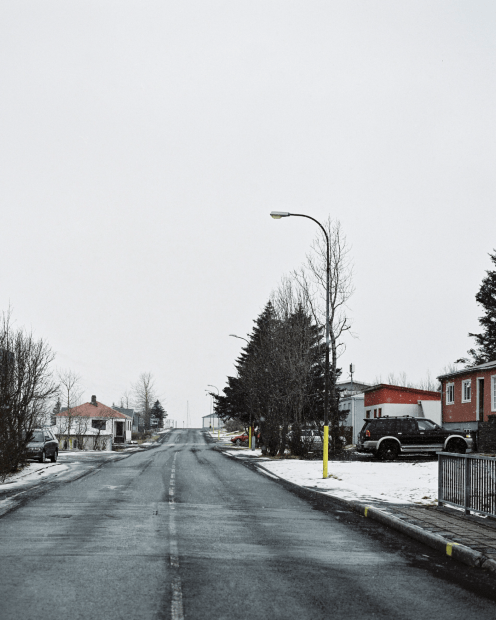
Kaldvík also contributes to the local economy by creating jobs that keep younger generations in the area. Training and employing locals in the aquaculture industry ensures that the skills and knowledge of the sea continue to be passed down, albeit in a modernised form.

Heritage
Established in the East Fjords in 2022
Synergy
Kaldvík is the result of the merger of two companies: Fiskeldi Austfjarða and Laxar. Kaldvík is the only company that operates in Eastern Iceland.
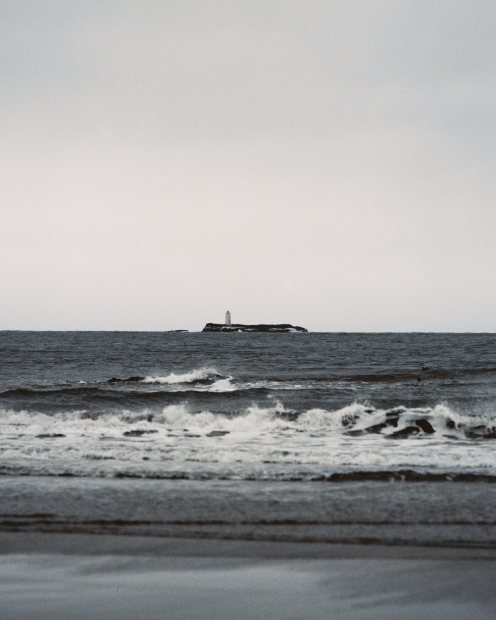
Traditional fishing in the East Fjords
Heritage
The East Fjords of Iceland, with their rugged coastlines and deep, sheltered inlets, have a rich history deeply intertwined with the sea. For centuries, the hardy people of this region have relied on fishing as a vital source of sustenance and livelihood. Traditional fishing practices, passed down through generations, have shaped the cultural and economic landscape of the East Fjords. This heritage is not just about the act of fishing itself but encompasses the entire way of life, including the construction of boats, the knowledge of the sea, and the communal spirit fostered by shared labour on the water.
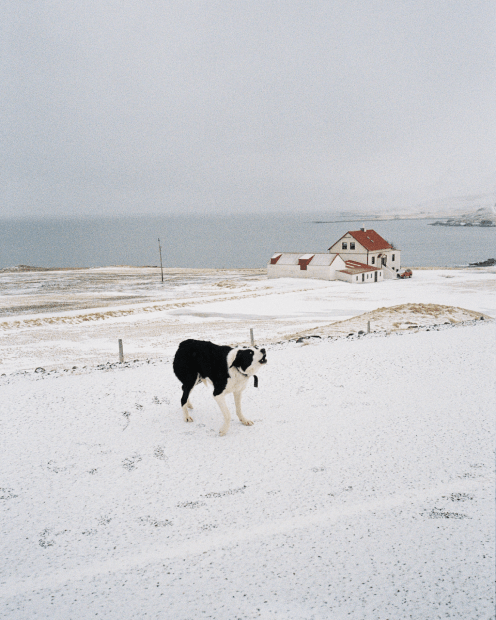
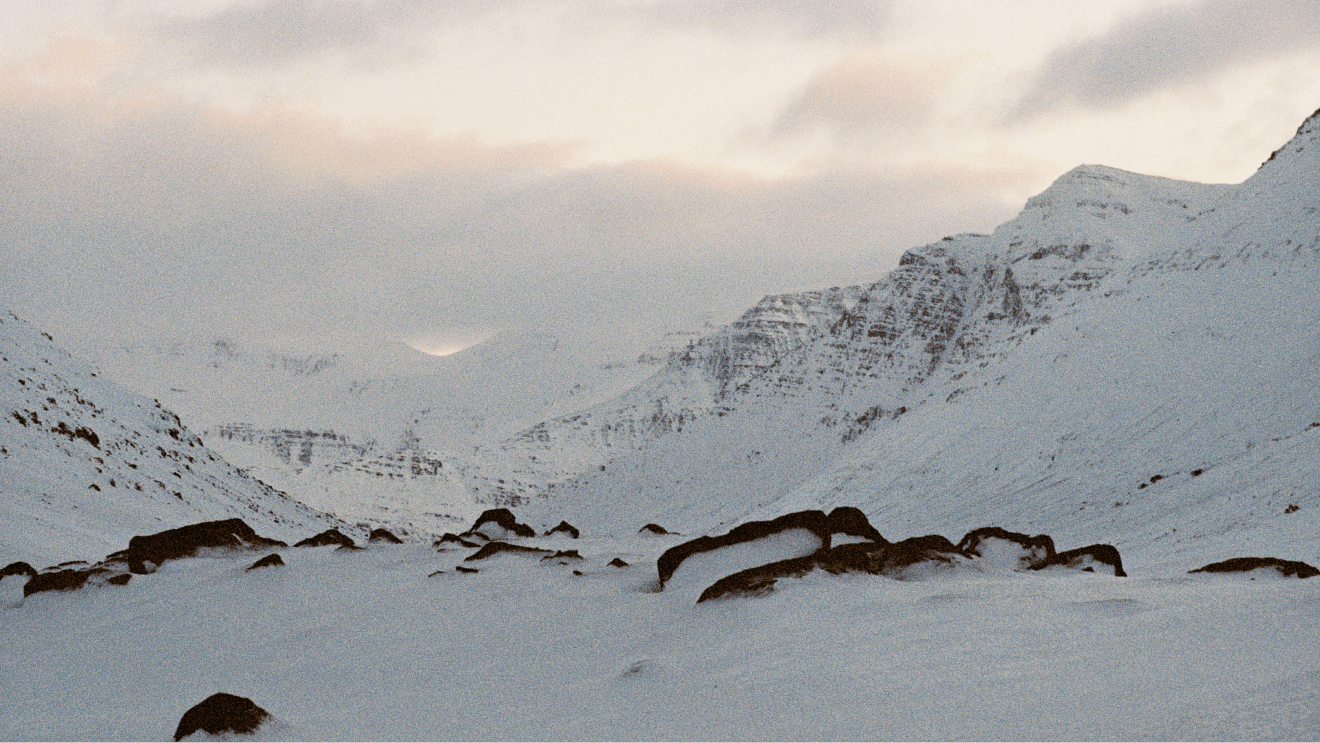
Preserving local tradition
Kaldvík, as the sole operator of fish farms in the East, wishes to preserve and even enhance this heritage by embracing sustainable practices and integrating local traditions into its operations.
Honouring the rich fishing traditions of our region
Community